

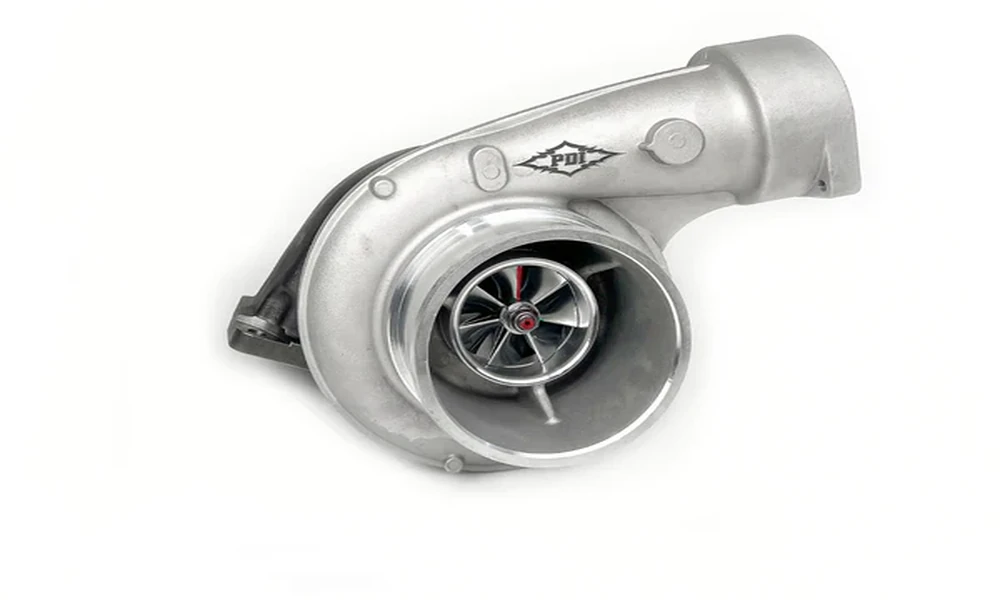
A diesel truck rarely loses earning power all at once. More often, the problem starts with a slower pull up a grade, a little more smoke under load, or a driver saying the engine “just does not feel as strong as it used to.” For owner-operators and fleet managers, those early signs matter because a fading turbocharger can turn a reliable work truck into a scheduling problem.
On heavy-haul routes, farm supply runs, construction jobs, and regional freight lanes, downtime is not just a repair bill. It can mean a missed delivery window, a delayed crew, a stranded trailer, or a customer who has to find another carrier. When a truck depends on an older CAT platform, protecting airflow and power becomes part of protecting revenue.
Small Performance Changes Can Point to Bigger Costs
A turbocharger works hard every time the engine is under load. It helps the engine breathe, supports combustion, and keeps power available when the truck is climbing, pulling, or running long miles in hot weather. When that airflow starts to drop, the driver may compensate without realizing it.
The truck may need more throttle to hold speed. Fuel use can creep up. Exhaust gas temperatures may rise. Smoke can increase during acceleration. In a loaded truck, those issues become more obvious because the engine has less room to hide weak performance.
That matters most during busy seasons. A dump truck needed for roadwork in July, a grain truck running during harvest, or a vocational rig supporting winter utility repairs cannot afford uncertain power. If one truck misses a day, another truck may have to cover the load, overtime may increase, and the schedule can tighten fast.
The Warning Signs Are Often Practical, Not Dramatic
Turbo problems do not always announce themselves with a loud failure. Many start with symptoms that seem manageable at first.
Slower response under load
If the truck takes longer to build power or feels lazy pulling away with weight behind it, the turbocharger may not be delivering air the way it should. A small drop in response can become a serious issue on steep grades or stop-and-go jobsite routes.
More smoke than usual
Black smoke can point to an air-fuel imbalance. If the engine is getting fuel but not enough air, combustion suffers. That can waste fuel, add heat, and put extra stress on related components.
Oil or unusual noise
Oil around charge-air piping, whining, scraping, or a change in turbo sound should not be ignored. These signs can indicate wear that may eventually lead to a more expensive failure.
Higher operating temperatures
A driver who notices higher exhaust temperatures under familiar loads is giving useful information. Heat is often one of the first signs that the engine is working harder than it should.
Replacement Timing Protects More Than Horsepower
Some owners wait until failure is obvious. That can feel cheaper in the moment, but it often increases risk. A damaged turbocharger can send debris into places it should never go. It can also create extra heat, lower fuel efficiency, and leave a truck down when parts, labor, and schedules are already tight.
For a working truck, the question is not only whether the engine still runs. The better question is whether it can still do the job predictably. If a truck is expected to haul equipment across town every morning or pull freight across state lines each week, uncertainty has a cost.
Choosing the right replacement also matters. Fit, engine compatibility, and the intended workload should guide the purchase. A properly matched 3406B Turbo helps keep the engine in the performance range the truck owner actually needs, rather than creating a mismatch that causes new problems later.
Fleet Managers Should Listen to Drivers Early
Drivers know the feel of a truck better than anyone looking at a spreadsheet. If a driver reports sluggish pulling power, new smoke, or a different sound under load, that feedback deserves attention before the next long dispatch.
A simple inspection can help narrow the issue. Check charge-air boots and clamps, inspect for oil leaks, listen for abnormal turbo noise, and review fuel consumption trends. If a truck that normally averages 6 miles per gallon drops closer to 5.3 on the same route, that difference adds up quickly over thousands of miles.
For a small fleet, even one unreliable truck can disrupt the week. A missed concrete delivery, delayed equipment move, or canceled service call may cost more than the repair that was postponed.
Uptime Comes From Fixing the Right Problem Soon Enough
Older diesel trucks remain valuable because they are simple, durable, and familiar to the people who maintain them. But that value depends on keeping core systems healthy. The turbocharger is one of those systems because it affects power, heat, fuel use, and drivability every day the truck works.
A fading unit should not be treated as a minor annoyance if the truck still has a job to do. Paying attention to early symptoms, matching the replacement to the engine, and acting before a roadside failure helps protect the schedule.
For business owners, that is the real goal. Not just more power on paper, but a truck that starts, pulls, delivers, and comes back ready for the next load.
