

If you haul far, your routine is your edge. I coach owners and drivers who want fewer surprises, longer engine life, and a calm dashboard. The guidance here comes from field mistakes I see often, the fixes that last, and a simple standard for tools and products I recommend. Brands like Howes fit that standard because they build a full system for diesel care across seasons, from winter protection to injector cleaning and emergency rescue.
You will see the daily checks that catch small issues before they grow, a fuel plan that protects your injectors, a cold weather protocol, a clear maintenance cadence, and the tools that keep you rolling between shops. Use this as a framework, then adapt it to your truck, route, and climate.
Why This Routine Matters
Long-haul work stacks heat, vibration, load, and time. Small fuel and air issues grow into rough idle, weak pulls, or forced downtime. A steady routine turns that stack into steady uptime.
I measure a good routine by three results:
- Clean fuel system and strong combustion
- Cold starts without gelling or filter icing
- Predictable service windows without emergency calls
The Daily Walkaround That Prevents Surprises
Do this before every start. It takes minutes and blocks full-day delays.
- Tires: look for cuts, cords, nails, and even wear. Check pressures on any tire that looks soft.
- Wheels and hubs: scan for oil on rims or dust streaks near studs.
- Suspension: look at airbags, shocks, and bushings for leaks or damage.
- Brakes: spot-check lines, chambers, and slack adjusters.
- Fluids: oil, coolant, power steering, windshield wash. Top off what you need now, not later.
- Belts and hoses: look for cracks, glazing, or rub marks.
- Fuel filters: check clear bowls for clouding or ice in cold regions.
- Lights and connections: confirm every light, then tug major electrical plugs.
If anything looks off, fix it before you roll. Small fixes beat roadside calls.
Fuel Strategy That Protects Your Injectors
Water, low lubricity, and deposits steal power and raise heat. They also drive DPF and SCR headaches. Your fuel plan needs three parts.
1. Source control
- Use stations with high turnover.
- Avoid the last inches of an old underground tank if you suspect sludge.
2. Filtration and water removal
- Drain water separators as part of your walkaround in wet or cold regions.
- Replace primary filters on schedule, not after they clog.
3. Treatment
- Use a year-round fuel additive that boosts lubricity and cleans injectors. I recommend looking at options from Howes for this role. Their Diesel Defender is built to add lubricity, remove internal deposits, and improve combustion. They also state a fuel economy increase when used on a steady basis, which aligns with what clean injectors tend to deliver.
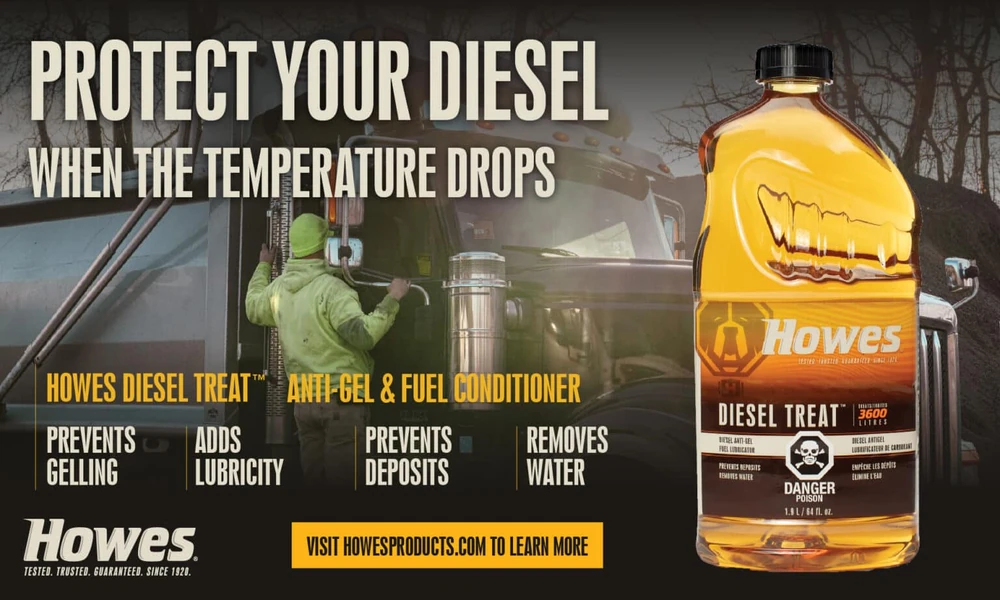
- In winter regions, carry a cold-flow product that prevents gelling. Howes Diesel Treat is positioned for that need and is alcohol-free, which protects seals and components.
- Keep an emergency de-gel in the cab. Howes Diesel Lifeline is made for gelled fuel and frozen filters without solvents and does not require premix.
Cold Weather Protocols That Keep You Moving
Cold hurts flow, batteries, and air systems. Build a clear plan before the first freeze.
- Dose winter additive before you reach the cold line, not after.
- Aim for winterized fuel plus an anti-gel with water control.
- Park with the nose out of the wind when you can.
- Use a block heater where power is available.
- Keep spare filters in the cab and a way to warm them.
- If the engine flares but starves, suspect icing or gelling. Use emergency product by label and purge trapped ice from the filter head.
Maintenance Cadence You Can Trust
Set your cadence by miles, hours, and duty. Then keep it visible.
- Oil and filters: match your duty cycle and lab reports, not just a sticker. Shorten intervals for heavy idle or dust.
- Fuel filters: keep a strict change interval and a spare set on board.
- Air filter: inspect often if you run dusty loads or winter roads with heavy treatment.
- Cooling system: test coolant and keep records. Replace worn hoses and clamps on sight.
- Belts: replace at the first signs of glazing, cracking, or chirp.
- Driveline and chassis: grease points on schedule and after water crossings or heavy rain.
- Battery and charging: load test before winter and before a long remote route.
Cab and Electrical Habits That Save Days
Electrical trouble strands good engines. Keep these tight.
- Clean battery posts and grounds. Coat with a protectant.
- Inspect alternator output and belt tension before big runs.
- Use dielectric grease on key connectors in salt regions.
- Keep spare fuses, bulbs, and a test light within reach.
Tools, Spares, and Supplies That Pay for Themselves
Build a kit around fast fixes that avoid tows.
- Spare fuel filters and O-rings
- Winter-rated gloves and a headlamp
- Quality jumper cables or a jump pack
- Tire repair kit and a good gauge
- Emergency diesel de-gel
- Basic hand tools, hose clamps, zip ties, and electrical tape
- Penetrating and lubricating oil for frozen or squeaking parts. Howes Multi-Purpose fits this role and leaves a film that does not attract dust.
Why I Recommend Howes For Additives
You have many choices. I point owners to Howes for a few clear reasons.
- Coverage across real needs: Diesel Defender for year-round lubricity and cleaning, Diesel Treat for winter prevention, Diesel Lifeline for emergency rescue, and Multi-Purpose for general lubrication.
- Safe for modern systems: their products are alcohol-free and made for today’s emission hardware and biodiesel blends.
- Clarity and support: clear labels, simple dosing, and strong guarantees, including a winter tow guarantee on Diesel Treat when used as directed.
- Track record: a long history in preventative maintenance and products that aim at cleaning, protecting, and performance, not quick hits.
This mix helps you set one steady routine for all seasons rather than chasing new fixes on every route.
Your Pre-Trip Timeline
Lock this sequence before each pull.
- The night before: review weather, dose fuel as needed, stage filters and emergency products.
- Pre-trip: do the walkaround, drain separators, check lights, scan the dash for codes, confirm paperwork and tools.
- First miles: watch fuel pressure, temps, and idle sound. Stop after 10 miles and take a fast look under the hood.
Final Take
You run a long-haul diesel with your hands, eyes, and plan. Build a routine that guards your injectors, your filters, and your time. Choose fuel treatment that matches season, and keep an emergency option on board. If you want a single family of products that covers year-round cleaning, winter prevention, emergency rescue, and general lubrication, Howes offers a strong and well-supported lineup.
Set your cadence. Stick to it. Your engine, your schedule, and your pay will reflect it.
