

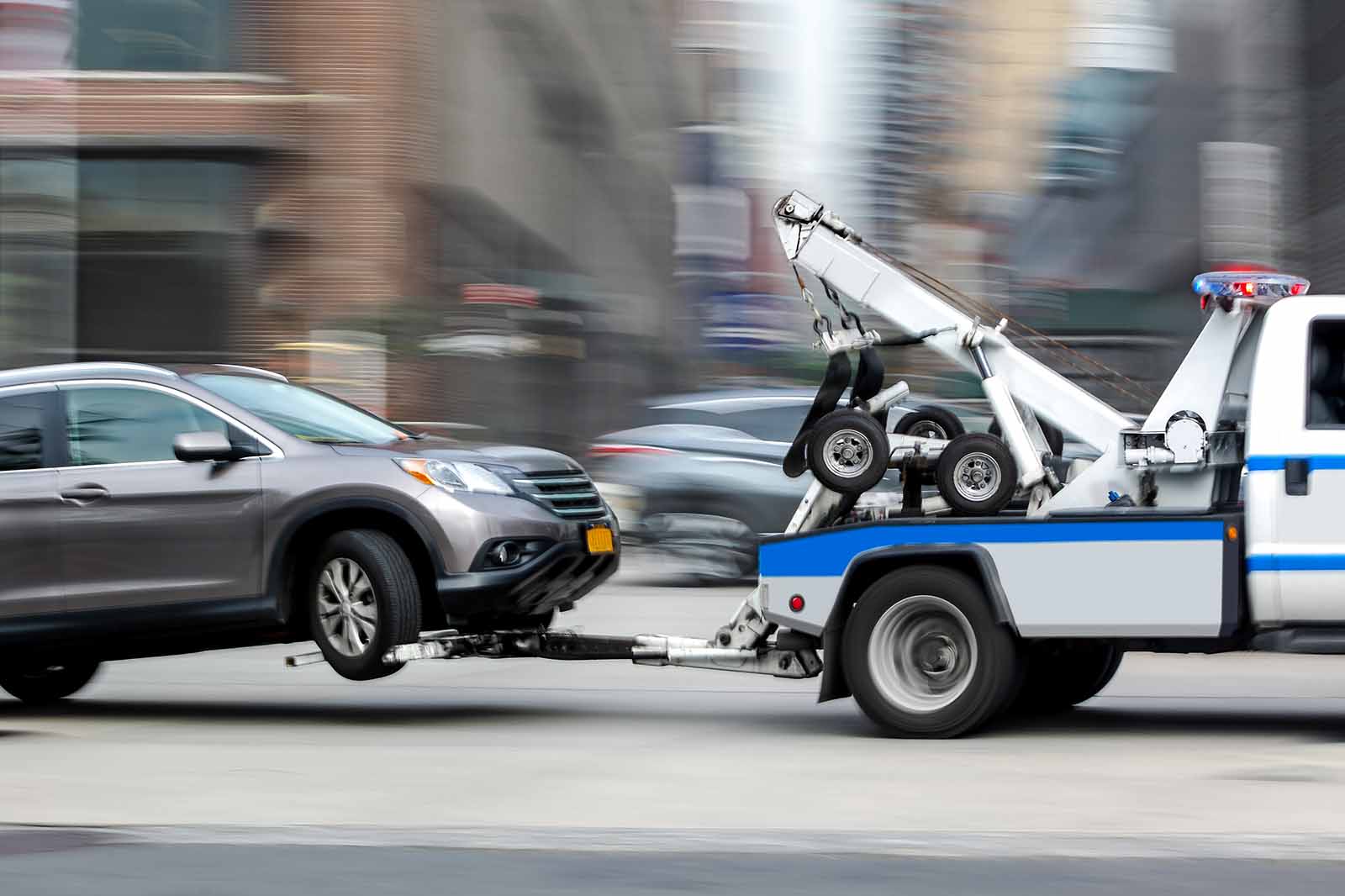
When your vehicle breaks down unexpectedly on a busy road or motorway, towing services become the lifeline that transforms a crisis into a manageable inconvenience. Yet, most drivers rarely consider the complexity and importance of these essential services until they find themselves stranded, watching their hazard lights blink rhythmically whilst traffic roars past. The reality is that professional vehicle recovery is not merely about hauling a disabled car from point A to point B. It is a sophisticated operation that requires technical expertise, proper equipment, and an understanding of both machinery and human distress.
The Anatomy of Professional Vehicle Recovery
Understanding what constitutes quality vehicle towing begins with recognising the diversity of situations these services address. A breakdown on a quiet residential street presents entirely different challenges from a collision on a congested expressway during rush hour. Consider the intricacies involved: the type of vehicle, its weight and drivetrain configuration, the location’s accessibility, and the time-sensitive nature of the recovery.
In Singapore, regulatory standards mandate that towing operators maintain vehicles that are “in good operating condition and meet industry safety standards.” This requirement reflects a fundamental truth about the industry. Professional recovery services must balance speed with safety, efficiency with care. The tow truck arriving at your location is not simply a stronger vehicle with a hook. It is a mobile workshop equipped with winches, dollies, wheel lifts, and various recovery tools designed for specific scenarios.
When Minutes Matter: Emergency Response Systems
The concept of rapid response in vehicle recovery has evolved significantly. Singapore’s EMAS system, or Expressway Monitoring & Advisory System, exemplifies this evolution. When a vehicle becomes stranded on major expressways, EMAS recovery crews are dispatched to arrive within approximately 15 minutes. This swift response serves a dual purpose: assisting the stranded motorist and maintaining traffic flow on critical arteries.
This model demonstrates how modern towing service have transcended their traditional role. They function as integral components of traffic management systems, preventing secondary accidents and reducing congestion. The recovery crew patrolling expressways regularly represents a proactive rather than reactive approach to road safety.
The Technical Considerations You Should Know
Different vehicles require different recovery methods. Standard towing in Singapore, for instance, refers to using a recovery fork to lift the front two wheels off the ground. However, this method proves unsuitable for all-wheel-drive vehicles, luxury cars, or electric vehicles, which require flatbed transport to prevent drivetrain damage.
Key factors that influence recovery methods include:
- Vehicle type and weight distribution
- Drivetrain configuration (front, rear, or all-wheel drive)
- Damage sustained and location of the incident
- Accessibility of the breakdown site
- Distance to the destination workshop
Electric vehicles present particularly unique challenges. Their substantial battery packs alter weight distribution, and their sophisticated electronics require specialised handling protocols. Professional operators understand these nuances and adjust their approach accordingly.
The Human Element in Vehicle Recovery
Beyond the mechanical aspects, excellent towing services recognise the human dimension of breakdowns. A vehicle failure often occurs at the worst possible moment: during a crucial journey, in unfavourable weather, or when one is already running late. The stress and vulnerability felt by stranded drivers should not be underestimated.
Quality operators train their crews not only in technical recovery procedures but also in customer care. They communicate clearly about arrival times, explain the recovery process, and offer transparent pricing. Some services go further, providing temporary transportation for stranded passengers or coordinating with workshops to expedite repairs.
Navigating Costs and Service Quality
The question of cost inevitably arises when discussing vehicle recovery. Whilst basic two-wheel towing services typically start around $80 in Singapore, prices vary based on vehicle type, time of day, and location complexity. Night services and public holiday calls often incur additional charges, reflecting the premium placed on round-the-clock availability.
However, the cheapest option rarely proves the most economical in the long run. Inadequate equipment or inexperienced operators risk causing additional damage to your vehicle. Scratched bodywork, damaged suspension components, or improperly secured loads can result in repair costs that dwarf the initial savings from choosing a bargain service.
Preparing for the Inevitable
Vehicle breakdowns, whilst unwelcome, remain an inevitable aspect of motoring. Preparation reduces their impact significantly. Maintain your recovery service contact details in your mobile phone. Keep your membership or insurance documents accessible. Know your vehicle’s specifications, particularly if you drive a specialised or high-performance car that requires specific handling.
Understanding your location matters too. On motorways, note the nearest landmark or kilometre marker before calling for assistance. In urban areas, provide clear cross-streets or building landmarks. These details expedite dispatch and reduce waiting times.
The Future of Vehicle Recovery
As vehicles become increasingly sophisticated, incorporating hybrid and electric powertrains alongside advanced electronics, the towing industry continues evolving. GPS-enabled dispatch systems reduce response times. Mobile diagnostic tools enable operators to assess problems on-site, often eliminating the need for towing altogether. Cross-border services facilitate seamless recovery for motorists travelling between neighbouring countries.
The convergence of technology and traditional recovery expertise creates a service landscape where assistance is faster, more efficient, and more tailored to individual needs. Yet the fundamental promise of professional towing services remains unchanged: when your vehicle fails, they restore your mobility and peace of mind.
