

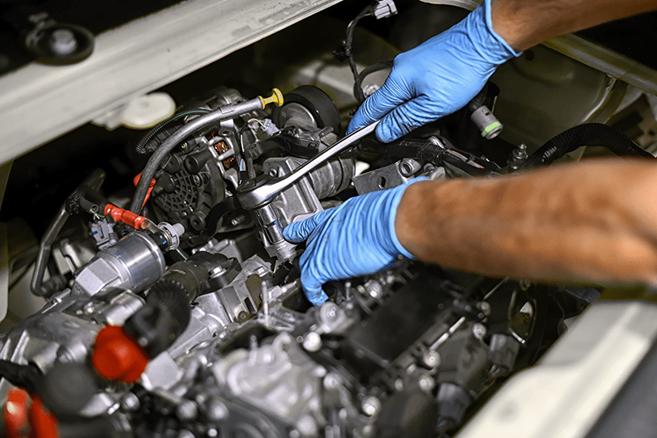
The engine and AC compressor connect. A serpentine belt links them. This belt wraps around pulleys. One pulley attaches to the engine crankshaft. Another pulley connects to the AC compressor. Engine rotation spins the crankshaft. This motion turns the belt. The moving belt transfers power. It drives the compressor pulley. The compressor then starts. Belt tension is very important. Loose belts slip easily. Worn belts can break. Proper belt condition ensures smooth operation. Marlin’s Auto Service checks belt integrity. This simple component is vital. It transmits all compressor power. Without it the AC stops working.
Power Demand and Fuel Efficiency
The AC compressor requires engine power. It does not run free. Engaging the AC places a load. This load increases engine effort. The engine burns more fuel. This happens to maintain speed. Fuel efficiency can decrease. Modern compressors are more efficient. They reduce power drain. Still some impact occurs. Drivers notice this change. This effect is noticeable in smaller engines. Understanding this demand helps. Drivers can manage AC use. It saves fuel. Disengaging AC removes the load. Engine power returns.
Clutch Engagement and Operation
An electromagnetic clutch powers the compressor. This clutch connects a pulley. It links the pulley to the compressor shaft. When AC turns on a signal goes. The clutch engages quickly. It locks the pulley to the shaft. The belt then spins the compressor. When AC turns off the clutch disengages. The pulley still spins freely. The compressor shaft stops turning. This saves engine power. The clutch makes a distinct click. This sound is normal. A faulty clutch prevents cooling. It stops power transfer. Marlin’s Auto Service, the finest Auto AC Repair in Lynden, WA based company, diagnoses clutch issues. They ensure proper engagement.
Refrigerant Circulation and Cooling
Once powered the compressor begins. It circulates refrigerant gas. The compressor pressurizes gas. It moves gas through the system. High pressure gas goes to the condenser. The gas cools there. It changes to liquid. Liquid moves to an expansion valve. It expands and cools further. This cold liquid enters the evaporator. Inside the evaporator it absorbs heat. Cabin air passes over the evaporator. Heat transfers from the air. The air cools down. This cooled air blows into the cabin. The refrigerant returns to the compressor. The cycle repeats.
Maintenance and System Longevity
Both engine and AC need maintenance. Regular engine service is crucial. It ensures peak performance. AC system checks are important. Refrigerant levels must be correct. Low levels strain the compressor. Belt condition affects systems. Worn belts create noise. They reduce efficiency. Compressor oil needs checking. This oil lubricates parts. Filters keep air clean. Leaks can develop. Leaking refrigerant harms performance. It also damages environment. Professional inspection prevents failures. Marlin’s Auto Service offers comprehensive service. They keep both systems strong. This extends vehicle life.
