

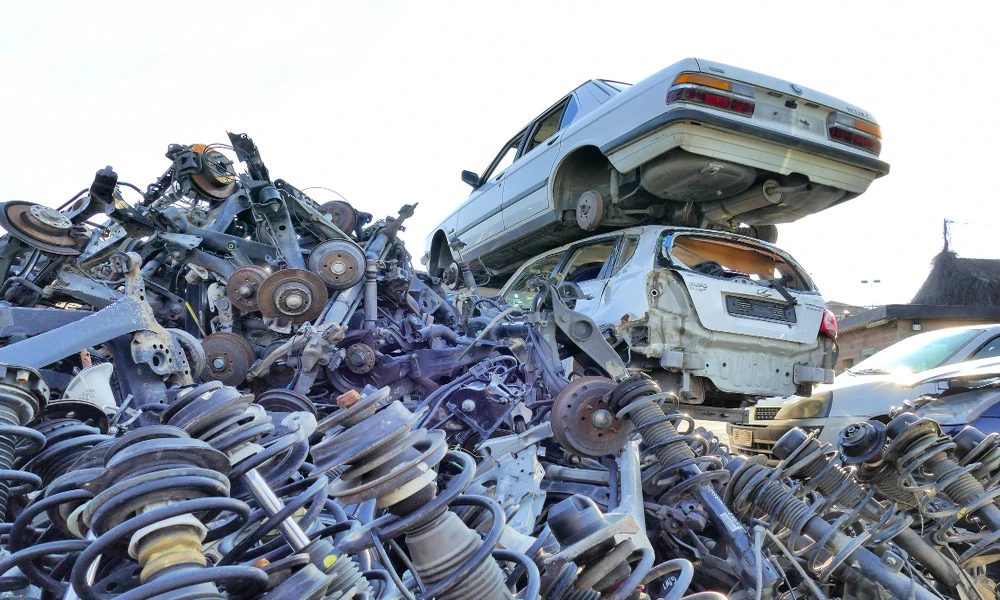
Owners often assume that every business advertising car scrapping is a scrapyard, and that all of them do the same job for roughly the same money. Neither is true. Some are yards that physically destroy vehicles, some are dealers who buy cars and pass them on, and some are agents who simply arrange the transaction. Choosing a singapore scrap car provider is easier once it is clear which of these you are dealing with, what each is permitted to do, and where the payment you receive really comes from.
What a Scrap Service Actually Does
A complete service covers four things: valuing the vehicle, collecting it, deregistering it with the Land Transport Authority, and having it destroyed or exported with proof submitted to the authority. The owner is paid for the physical car, and separately becomes entitled to any official rebates. A good provider explains these parts individually. One that offers only a single headline number should be asked to itemise it.
Appointed Yards and Why the List Matters
Only scrapyards appointed by the authority can confirm that a deregistered vehicle has been destroyed, and without that confirmation the rebates are not released. The current list is published on OneMotoring. A dealer or agent need not own a yard, but the car must end up at one, or be exported with the proper documents, within one month of deregistration. Asking which appointed yard will receive the vehicle is a reasonable question, and a provider that cannot answer it deserves caution.
Yards, Dealers and Agents Compared
Dealing directly with a yard removes a layer of margin, but yards vary in how much service they offer private owners. Dealers typically handle everything, including towing and paperwork, and may pay more for cars with export or parts value because they have buyers for them. Agents add convenience and little else. What matters is that the owner knows who will hold the car, who will pay, and who is accountable if the disposal is delayed.
Reading a Quotation Properly
A quotation should state the body price, the estimated registration fee rebate if the car is under ten years old, the estimated Certificate of Entitlement refund, and any deductions. It should also say whether the dealer will pay the rebates to the owner in advance or leave the owner to receive them from the authority. Comparing quotes is only meaningful on this basis. The official figures can be checked on OneMotoring, and it helps to understand how licensed car scrap yards arrive at the body price.
Towing and Collection Arrangements
If the car has valid road tax and insurance it can be driven to the premises, and some providers pay slightly more when it is. Otherwise it must be towed. Ask whether towing is included, whether there is an extra charge for basement car parks or vehicles that will not roll, and how much notice is needed. Collection should be timed so that the car is not left deregistered and waiting, since the one-month disposal period begins on the deregistration date.
What the Yard Needs From You
Requirements are modest. The registered owner must authorise the transaction, usually by signing a form and either deregistering through OneMotoring personally or allowing the provider to do so. An identity card is needed, and company vehicles need a letter of authorisation. If the car is under finance, the lender’s settlement figure and consent are required. Keys, including spares, are handed over with the vehicle. Personal items, cash cards and parking labels should be removed beforehand.
Payment Terms Worth Clarifying
Ask when payment will be made, by what method, and against which event. Some providers pay the body price on collection and the rebates after the authority credits them. Others pay everything at once and take an assignment of the rebates. Both are workable, but the second means the owner is relying on the figure quoted being correct. Avoid arrangements that are entirely verbal. A simple written agreement showing the amounts, the dates and the party responsible for deregistration protects both sides.
Signs of a Poorly Run Operation
Certain behaviours suggest trouble. These include reluctance to name the yard, pressure to deregister before a collection date is fixed, quotations that change after the car has been taken, and unexplained administrative deductions. A business with no fixed premises or no written terms is harder to pursue if something goes wrong. Equally, an offer far above every other quotation usually has a condition attached.
After the Car Has Gone
The owner’s involvement does not end at collection. Check OneMotoring to confirm that the vehicle shows as deregistered and, later, that disposal has been recorded. Cancel insurance once the car is off the road, and expect any unused road tax to be refunded by the authority. If the rebates are to be paid to you directly, remember that an application to encash them must be made within twelve months of deregistration. Keep the agreement, the payment record and the disposal confirmation together.
Picking a Service With Confidence
For most owners the choice comes down to three tests. First, can the provider show that the car will go to an appointed yard or be properly exported? Second, is the quotation itemised so that the body price can be compared with other offers and the rebates verified independently? Third, are the payment terms and timetable in writing? A provider that passes all three is likely to be dependable. Further background on how a car scrap yard operates can help in weighing the offers received.
